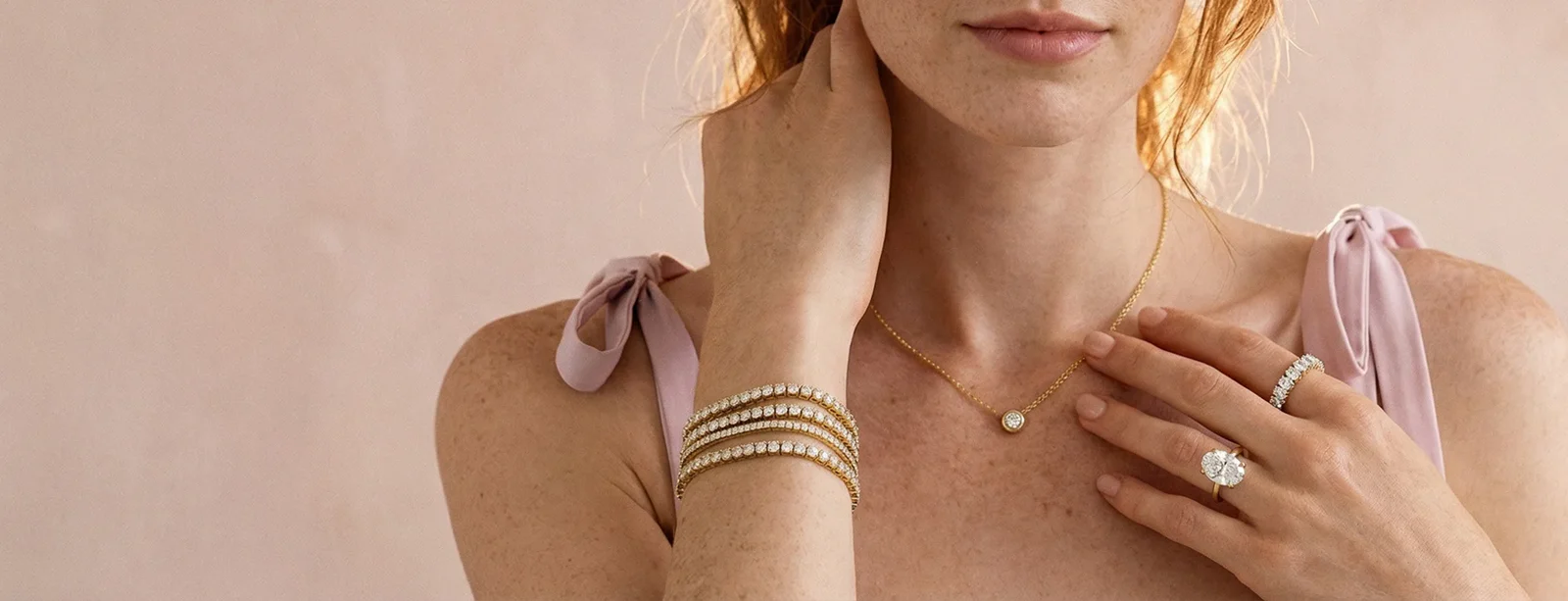
Digital Fashion Marketing has emerged as a powerful force reshaping how brands connect with consumers in the modern era. With the rise of advanced technologies, social media platforms, and immersive digital experiences, the fashion industry is evolving beyond traditional retail and advertising strategies. From virtual clothing collections to influencer-driven campaigns, digital marketing is now at the core of fashion brand success.
What is Digital Fashion Marketing?
Digital Fashion Marketing refers to the use of digital channels, technologies, and platforms to promote fashion products, brands, and experiences. It combines elements of social media marketing, content marketing, e-commerce, and emerging technologies like augmented reality and virtual reality.
Major fashion brands such as Gucci, Nike, and Zara have successfully adopted digital marketing strategies to expand their global reach and engage with modern consumers.
The Rise of Social Media in Fashion Marketing
Social media platforms play a central role in Digital Fashion Marketing. Platforms like Instagram, TikTok, and Pinterest have become essential tools for showcasing fashion collections and engaging audiences.
Fashion influencers such as Chiara Ferragni and Kylie Jenner have redefined how brands communicate with consumers. Their endorsements often drive trends, boost product visibility, and significantly increase sales.
Brands use social media to:
Create visually appealing content
Launch new collections
Collaborate with influencers
Engage directly with customers
The Role of E-Commerce in Digital Fashion Marketing
E-commerce platforms are another critical component of Digital Fashion Marketing. Companies like Amazon and Shopify have enabled fashion brands to sell products directly to consumers worldwide.
Fashion retailers now rely heavily on digital storefronts to provide seamless shopping experiences. Features like personalized recommendations, user reviews, and AI-driven product suggestions enhance customer satisfaction and increase conversion rates.
Additionally, direct-to-consumer brands such as Fashion Nova have leveraged digital marketing to build strong online identities without relying on physical retail stores.
Influencer Marketing and Brand Collaborations
Influencer marketing has become one of the most effective strategies in Digital Fashion Marketing. By partnering with influencers and celebrities, brands can reach highly targeted audiences.
Luxury brands like Louis Vuitton frequently collaborate with celebrities such as Emma Stone to promote their collections. These collaborations enhance brand prestige and attract global attention.
Micro-influencers are also gaining popularity due to their high engagement rates and niche audiences. Brands are increasingly focusing on authenticity and relatability rather than just follower count.
The Impact of Virtual Reality and Augmented Reality
Emerging technologies such as Virtual Reality and Augmented Reality are revolutionizing Digital Fashion Marketing.
Brands like Balenciaga and Burberry have experimented with virtual fashion shows and immersive digital experiences. These innovations allow consumers to interact with fashion in entirely new ways.
Virtual try-on features powered by AR enable customers to visualize how clothing or accessories will look before making a purchase, reducing return rates and improving customer satisfaction.
The Emergence of Digital Fashion and NFTs
Digital fashion is a growing trend where clothing exists only in virtual form. Platforms like The Fabricant are leading this movement by creating exclusively digital garments.
The integration of Ethereum and non-fungible tokens (NFTs) has further expanded opportunities in Digital Fashion Marketing. NFTs allow brands to sell unique digital assets, including virtual clothing and accessories.
Luxury brands such as Dolce & Gabbana have already launched NFT collections, attracting tech-savvy consumers and collectors.
Data-Driven Marketing Strategies
Data analytics plays a crucial role in Digital Fashion Marketing. Brands use consumer data to understand preferences, predict trends, and personalize marketing campaigns.
Companies like Google and Meta provide powerful analytics tools that help fashion marketers optimize their strategies.
Key data-driven approaches include:
Customer segmentation
Predictive analytics
Behavior tracking
Personalized email campaigns
These strategies enable brands to deliver highly relevant content and improve customer engagement.
Content Marketing and Storytelling
Content marketing is essential for building brand identity in the digital fashion space. Brands use blogs, videos, and social media content to tell compelling stories.
Fashion companies like H&M and Adidas focus on storytelling to connect emotionally with their audiences. They highlight sustainability efforts, behind-the-scenes production, and brand values.
High-quality visual content, including photoshoots and video campaigns, plays a vital role in capturing attention and driving engagement.
Sustainability and Ethical Marketing
Sustainability has become a significant focus in Digital Fashion Marketing. Consumers are increasingly concerned about environmental and ethical issues.
Brands such as Patagonia and Stella McCartney are leading the way by promoting eco-friendly practices.
Digital marketing campaigns now emphasize:
Sustainable materials
Ethical labor practices
Transparency in production
Reduced carbon footprint
This shift not only builds trust but also strengthens brand loyalty.
The Role of Artificial Intelligence in Fashion Marketing
Artificial intelligence is transforming Digital Fashion Marketing by automating processes and enhancing customer experiences.
Companies like IBM and Microsoft provide AI solutions that enable fashion brands to:
Analyze customer behavior
Optimize pricing strategies
Improve inventory management
Deliver personalized recommendations
AI-powered chatbots and virtual assistants also improve customer service by providing instant support.
Mobile Marketing and Omnichannel Strategies
With the increasing use of smartphones, mobile marketing has become essential in Digital Fashion Marketing. Apps and mobile-friendly websites ensure seamless user experiences.
Brands integrate multiple channels, including online stores, social media, and physical locations, to create omnichannel strategies. Companies like Apple have set high standards for user experience, influencing fashion brands to adopt similar approaches.
Push notifications, mobile ads, and app-based shopping experiences help brands stay connected with consumers at all times.
Challenges in Digital Fashion Marketing
Despite its advantages, Digital Fashion Marketing comes with challenges:
High competition in the digital space
Rapidly changing trends
Data privacy concerns
Dependence on algorithms
Regulations and policies from organizations like European Union regarding data privacy impact how brands collect and use consumer information.
Brands must continuously adapt to stay relevant and maintain customer trust.
Future Trends in Digital Fashion Marketing
The future of Digital Fashion Marketing is shaped by innovation and technology. Key trends include:
Expansion of virtual fashion shows
Growth of metaverse platforms
Increased use of AI and automation
Rise of digital-only fashion brands
Tech companies like NVIDIA are contributing to advancements in digital rendering and virtual environments, enabling more realistic and immersive fashion experiences.
The concept of the metaverse, supported by platforms from Meta, is expected to redefine how consumers interact with fashion brands.
Conclusion
Digital Fashion Marketing is revolutionizing the fashion industry by integrating technology, creativity, and data-driven strategies. From social media campaigns to virtual fashion experiences, brands are leveraging digital tools to connect with consumers in innovative ways.
As technology continues to evolve, fashion marketers must stay ahead of trends and embrace new opportunities. By combining creativity with advanced digital strategies, brands can build strong identities, enhance customer engagement, and achieve long-term success in the competitive fashion landscape.
Digital Fashion Marketing is not just a trend but a fundamental shift that will continue to shape the future of fashion for years to come.