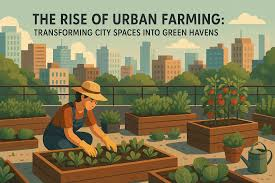
Urban gardening trends are reshaping modern lifestyles as more people in cities embrace sustainable, eco-friendly living. From rooftop gardens to vertical farming systems, urban gardening has become a powerful movement driven by environmental awareness, food security concerns, and the desire for healthier living spaces. Organizations like Food and Agriculture Organization and World Health Organization emphasize the importance of green spaces in urban areas for improving air quality, mental health, and overall well-being. This growing interest has led to innovative gardening techniques, smart technologies, and community-driven initiatives that are redefining how cities interact with nature.
The Rise of Urban Gardening in Modern Cities
Urban gardening is no longer a niche hobby but a global trend supported by governments, environmental groups, and tech companies. Cities like New York City, London, and Singapore have implemented urban agriculture programs to encourage residents to grow their own food. This movement is closely tied to the broader concept of Sustainable Development, which focuses on meeting present needs without compromising future generations.
With limited space in urban environments, gardeners are turning to creative solutions such as balcony gardens, hydroponic systems, and community plots. The increasing cost of fresh produce has also motivated city dwellers to grow vegetables and herbs at home, reducing dependence on commercial supply chains.
Vertical Gardening and Space Optimization
One of the most significant urban gardening trends is vertical gardening, which allows individuals to grow plants in small spaces by utilizing walls and vertical structures. Companies like IKEA and Gardena have introduced modular gardening systems designed for apartments and small homes.
Vertical gardens are not only space-efficient but also aesthetically pleasing. They improve insulation, reduce noise pollution, and enhance air quality. In densely populated cities, vertical farming techniques are being adopted on a larger scale to produce crops efficiently using minimal land.
Smart Gardening Technology and Automation
Technology is playing a vital role in modern urban gardening. Smart gardening tools and applications enable users to monitor plant health, automate watering systems, and optimize growing conditions. Platforms like PlantSnap and Gardenize help gardeners identify plants, track growth, and manage tasks efficiently.
Innovations such as IoT-based sensors, automated irrigation systems, and AI-powered analytics are transforming urban agriculture. Tech giants like Google and Microsoft are also investing in smart agriculture solutions, enabling data-driven gardening practices.
Hydroponics and Soil-Free Farming
Hydroponics is gaining popularity as an efficient method of growing plants without soil. This technique uses nutrient-rich water solutions to deliver essential minerals directly to plant roots. Companies like AeroFarms and Plenty are leading the way in large-scale hydroponic farming.
Hydroponic systems are ideal for urban environments where soil quality may be poor or unavailable. They require less water than traditional farming and can be implemented indoors, making them suitable for year-round cultivation. This trend aligns with global efforts to address food shortages and reduce agricultural impact on the environment.
Community Gardens and Social Impact
Community gardens are another major urban gardening trend, fostering social connections and promoting sustainability. Cities around the world are allocating public spaces for community gardening projects, encouraging residents to collaborate and share resources.
Organizations like American Community Gardening Association support these initiatives by providing education and resources. Community gardens not only provide fresh produce but also strengthen neighborhood bonds and create opportunities for learning and cultural exchange.
Rooftop Gardening and Green Architecture
Rooftop gardening is becoming a defining feature of modern urban architecture. Buildings are increasingly designed with green roofs that support plant growth, improve insulation, and reduce energy consumption. Cities like Tokyo and Berlin have embraced rooftop gardening as part of their sustainability strategies.
Green roofs help mitigate the urban heat island effect, reduce stormwater runoff, and enhance biodiversity. Architectural firms are integrating these features into residential and commercial buildings, making urban gardening an integral part of city planning.
Edible Landscaping and Aesthetic Gardening
Edible landscaping is a growing trend that combines aesthetics with functionality. Instead of traditional ornamental plants, urban gardeners are incorporating edible plants such as herbs, fruits, and vegetables into their landscapes. This approach promotes self-sufficiency and reduces grocery expenses.
Brands like Miracle-Gro and Scotts offer products specifically designed for edible gardening, making it easier for beginners to get started. Edible landscaping also contributes to healthier diets by providing access to fresh, organic produce.
Sustainable Practices and Eco-Friendly Gardening
Sustainability is at the core of urban gardening trends. Gardeners are adopting eco-friendly practices such as composting, rainwater harvesting, and organic pest control. The principles of Permaculture are widely applied in urban gardening to create self-sustaining ecosystems.
Organizations like Greenpeace advocate for sustainable agriculture practices that minimize environmental impact. Urban gardeners are also reducing plastic usage by opting for biodegradable pots and recycled materials.
Indoor Gardening and Plant-Based Lifestyles
Indoor gardening has gained popularity, especially among apartment dwellers. Houseplants not only enhance interior aesthetics but also improve air quality and reduce stress levels. Studies supported by institutions like NASA highlight the air-purifying benefits of certain indoor plants.
The rise of plant-based lifestyles has further fueled interest in growing herbs and vegetables indoors. Compact gardening kits and LED grow lights have made it easier to cultivate plants in limited spaces, even without access to natural sunlight.
Urban Beekeeping and Biodiversity
Urban beekeeping is an emerging trend that supports pollination and biodiversity in cities. Bees play a crucial role in maintaining ecosystems and ensuring food production. Cities like Paris and San Francisco have introduced initiatives to encourage urban beekeeping.
Organizations such as The Xerces Society work to protect pollinators and promote biodiversity. Urban beekeeping not only benefits the environment but also provides opportunities for local honey production.
Challenges and Future of Urban Gardening
Despite its many benefits, urban gardening faces challenges such as limited space, lack of knowledge, and regulatory restrictions. However, advancements in technology and increased awareness are helping overcome these obstacles.
The future of urban gardening looks promising, with innovations like vertical farms, smart greenhouses, and AI-driven agriculture becoming more accessible. Governments and private organizations are investing in urban agriculture to enhance food security and environmental sustainability.
Conclusion
Urban gardening trends are revolutionizing how people interact with their environment in cities. From vertical gardens and hydroponics to community initiatives and smart technology, urban gardening offers practical solutions to modern challenges. Supported by organizations like United Nations, this movement is expected to grow as more individuals and communities embrace sustainable living practices.
As urban populations continue to rise, the importance of green spaces and local food production will only increase. Urban gardening is not just a trend but a transformative approach to creating healthier, more sustainable cities for the future.