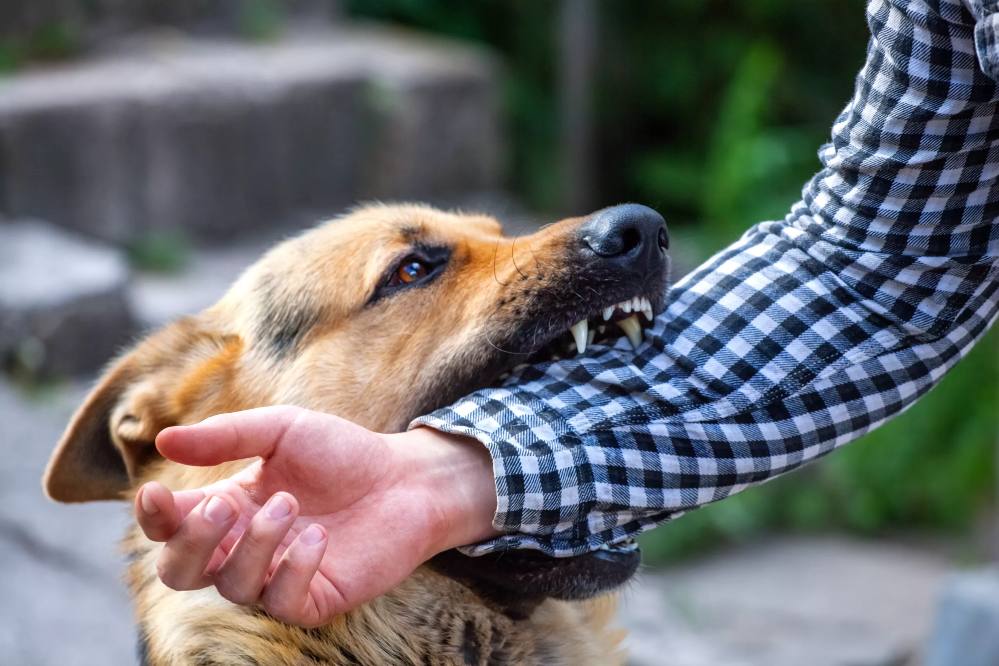
For many Phoenix dog owners, training works best when it happens where everyday challenges actually occur. In home dog training Phoenix programs can address behaviors in the familiar environment where dogs eat, rest, greet visitors, play, and interact with their families. This setting allows training to focus on practical routines rather than relying only on controlled situations outside the home.
A dog that listens perfectly at a training facility may still jump on guests, bark at the door, pull toward distractions, or ignore cues at home. Effective training should account for those real-world situations and teach both the dog and owner how to respond consistently.
Why In Home Dog Training Phoenix Can Be Effective
Every household has different routines, distractions, and expectations. A trainer working inside the home can observe the specific circumstances surrounding unwanted behavior and help owners make practical adjustments.
For example, a dog may become overly excited when someone knocks on the door. Instead of simply practicing a command in an unfamiliar setting, an in-home session can address the complete sequence: the knock, the dog’s reaction, the owner’s response, and the desired alternative behavior.
This approach can help owners understand:
- What triggers a dog’s unwanted behavior
- How household routines may reinforce certain habits
- Which cues the dog already understands
- How to reward appropriate behavior consistently
- How to manage distractions during everyday situations
The goal is not simply to teach commands. It is to build communication that can be used throughout the dog’s normal routine.
Understanding Behavior Before Correcting It
Dog training becomes more productive when owners understand why a behavior occurs. Barking, jumping, pulling, whining, or ignoring cues can have different causes depending on the individual dog and circumstances.
A dog may bark because of excitement, fear, territorial behavior, frustration, or learned reinforcement. Similarly, leash pulling can result from excitement, environmental distractions, or a lack of previous leash skills.
Rather than treating every unwanted behavior the same way, owners can look for patterns. Consider what happens immediately before the behavior, what the dog does, and what happens afterward.
This simple observation process can reveal useful information and help shape a more appropriate training strategy.
Building Better Habits Through Daily Routines
One of the advantages of in-home dog training Phoenix is the opportunity to connect training with routines that already happen every day. Short, consistent practice sessions can often be easier to maintain than occasional lengthy sessions.
Owners can reinforce training during activities such as:
- Asking for a calm sit before meals.
- Practicing waiting before opening doors.
- Rewarding calm behavior when visitors arrive.
- Reinforcing attention before going outside.
- Practicing basic cues during normal household activities.
These small interactions give dogs repeated opportunities to learn what behaviors produce desirable outcomes.
Consistency matters because dogs learn from repeated experiences. If a behavior receives attention or rewards sometimes but not others, the dog may have difficulty understanding which response is expected.
Puppy Training Starts With the Home Environment
Puppies are constantly learning from their surroundings. Early experiences with people, sounds, handling, boundaries, and household routines can influence how they respond as they mature.
Puppy training should therefore extend beyond basic commands. Owners can teach appropriate behaviors around food, toys, doors, furniture, visitors, and household activity.
Useful early skills include:
- Name recognition
- Recall foundations
- Sit and down
- Loose-leash walking
- Calm greetings
- Handling tolerance
- Appropriate chewing habits
- Impulse control
Training should remain age-appropriate and give puppies opportunities to succeed. Short sessions, clear communication, and appropriate reinforcement can make learning more manageable.
Addressing Common Household Behavior Problems
Many dog owners seek professional help because behavior has become difficult to manage at home. Addressing the behavior early can help prevent unwanted habits from becoming more established.
Jumping on People
Jumping often becomes rewarding when dogs receive attention while doing it. Owners can instead reinforce behaviors such as sitting or keeping all four paws on the floor before providing attention.
Door and Visitor Excitement
Doorways can create intense excitement because they predict visitors, walks, deliveries, or other activity. Teaching a dog to pause, move to a designated location, or focus on an owner can make these moments more manageable.
Excessive Barking
Barking should be considered in context. Identifying the trigger and teaching an alternative response can be more useful than simply attempting to suppress the noise.
Leash Frustration
Dogs may pull or react strongly when they encounter people, animals, vehicles, or other distractions. Training can focus on attention, distance management, appropriate reinforcement, and gradually increasing the level of distraction.
Choosing a Training Approach That Fits the Dog
There is no single training strategy that works identically for every dog. Age, temperament, previous experiences, environment, and the specific behavior being addressed all matter.
A thoughtful training plan should establish clear goals and use methods that allow the dog to understand what behavior is expected. Owners should also know what to practice between sessions so that progress continues outside the trainer’s visit.
Professional guidance can be particularly useful when owners have tried several approaches without consistent results or when a behavior is affecting daily life.
What Owners Should Practice Between Sessions
Professional training is only one part of the process. Dogs spend most of their time with their owners, making everyday reinforcement essential.
A practical home routine can include five to ten minutes of focused training at different points throughout the day. Owners can also look for natural opportunities to reward calm behavior rather than waiting for formal training sessions.
Keep practice sessions:
- Short and focused
- Consistent across household members
- Appropriate for the dog’s current skill level
- Reinforced with clear timing
- Gradually more challenging as the dog improves
Progress is rarely perfectly linear. Some days may produce stronger responses than others, particularly when the environment changes or distractions increase.
Creating Lasting Communication Between Dogs and Owners
In home dog training Phoenix is about more than having a dog perform commands on demand. It is about creating predictable communication that helps dogs understand what their owners expect in everyday situations.
For Phoenix households, in home dog training Phoenix can provide a practical way to work on behavior within the environment where those behaviors actually happen. By combining observation, consistency, appropriate reinforcement, and realistic practice, owners can build skills that become part of normal life.
Rob’s Dog Training provides dog training support designed around individual dogs and their families. To learn more about available training services and how professional guidance can help with your dog’s specific needs, visit robsdogs.