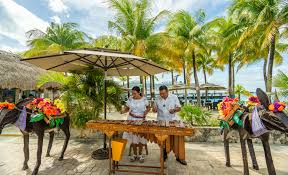
Introduction to Cultural Immersion Experiences
Cultural immersion experiences have become one of the most sought-after travel trends in recent years. Unlike traditional tourism, where travelers simply visit landmarks and take photos, cultural immersion allows individuals to deeply engage with local traditions, customs, and daily life. Whether it’s learning a traditional craft in Japan, participating in festivals in India, or exploring indigenous communities in Peru, immersive travel offers meaningful connections that go beyond surface-level experiences.
With globalization shaping modern societies, travelers are increasingly seeking authentic encounters that help them understand different cultures. Cultural immersion experiences not only enrich personal growth but also promote cross-cultural understanding and sustainable tourism practices.
What Are Cultural Immersion Experiences?
Cultural immersion experiences refer to travel activities that allow individuals to actively participate in the lifestyle of a destination. Instead of being passive observers, travelers become part of the community. This may include staying with local families, learning native languages, cooking traditional meals, or attending regional ceremonies.
Organizations like UNESCO actively promote cultural preservation, highlighting the importance of safeguarding intangible heritage such as music, dance, and rituals. By engaging in cultural immersion, travelers contribute to the preservation of these traditions.
Benefits of Cultural Immersion Travel
Personal Growth and Development
One of the most significant benefits of cultural immersion experiences is personal development. Traveling to unfamiliar environments challenges individuals to adapt, communicate, and think differently. Engaging with local communities fosters empathy and broadens perspectives.
For example, participating in community-based tourism programs in Thailand allows travelers to learn about rural lifestyles, sustainable farming, and traditional crafts. Such experiences encourage mindfulness and cultural appreciation.
Authentic Connections
Unlike conventional tourism, cultural immersion emphasizes genuine human interaction. Whether it’s sharing meals with families in Morocco or attending local celebrations in Brazil, travelers build meaningful relationships that often last a lifetime.
Sustainable Tourism
Cultural immersion experiences align with sustainable tourism principles by supporting local economies and preserving cultural heritage. Organizations like World Tourism Organization advocate for responsible travel that benefits host communities.
By choosing homestays, local guides, and community-driven activities, travelers ensure that their spending directly contributes to the well-being of local populations.
Popular Types of Cultural Immersion Experiences
Homestays and Local Living
Staying with a local family is one of the most effective ways to experience a culture firsthand. Platforms like Airbnb and Couchsurfing offer opportunities to connect with hosts worldwide.
In regions like Tuscany, travelers can stay in traditional farmhouses, participate in olive harvesting, and enjoy authentic Italian cuisine.
Culinary Experiences
Food is a vital aspect of any culture, and culinary immersion allows travelers to explore traditions through taste. Cooking classes, food tours, and local dining experiences provide insights into regional ingredients and cooking methods.
In Bangkok, for instance, travelers can learn to prepare iconic dishes like Pad Thai and Tom Yum from local chefs.
Language Learning Programs
Language is deeply connected to culture. Immersion programs in countries like Spain and France enable travelers to learn languages while interacting with native speakers in everyday situations.
Institutions such as Instituto Cervantes offer structured programs that combine language education with cultural activities.
Cultural Festivals and Events
Attending festivals is a vibrant way to experience local traditions. Events like Diwali in India and Carnival in Rio de Janeiro showcase rich cultural heritage through music, dance, and rituals.
These celebrations provide an immersive environment where travelers can participate and understand the significance of cultural practices.
Volunteer and Community Programs
Volunteering abroad allows travelers to give back while immersing themselves in local communities. Programs in Nepal, for example, often involve teaching, conservation, and community development projects.
Organizations like WWF offer conservation programs that combine travel with environmental responsibility.
Top Destinations for Cultural Immersion Experiences
Japan: Tradition Meets Modernity
Japan offers a unique blend of ancient traditions and modern innovation. Travelers can participate in tea ceremonies, stay in traditional ryokan inns, and explore historical sites like Kyoto.
India: A Diverse Cultural Landscape
India is known for its cultural diversity, offering experiences ranging from yoga retreats in Rishikesh to heritage tours in Jaipur.
Peru: Indigenous Heritage
In Peru, travelers can explore ancient civilizations by visiting Machu Picchu and engaging with local Andean communities.
Morocco: A Cultural Crossroads
Morocco offers vibrant markets, traditional music, and rich culinary traditions. Cities like Marrakesh provide immersive experiences through souks and cultural workshops.
Tips for Planning Cultural Immersion Travel
Research Local Customs
Before traveling, it’s essential to understand cultural norms and etiquette. Respecting traditions enhances the experience and fosters positive interactions.
Learn Basic Language Skills
Even basic phrases can make a significant difference. Language apps like Duolingo help travelers prepare for communication in foreign countries.
Choose Responsible Travel Providers
Opt for companies that prioritize ethical practices and community involvement. Look for certifications or affiliations with organizations like UNESCO.
Be Open-Minded and Respectful
Cultural immersion requires adaptability and respect for differences. Embracing new experiences with an open mind leads to more meaningful interactions.
The Role of Technology in Cultural Immersion
Technology has made cultural immersion more accessible than ever. Virtual tours, language apps, and online platforms allow travelers to connect with local communities before and during their trips.
Platforms like Airbnb provide curated experiences hosted by locals, while social media platforms such as Instagram inspire travelers to explore unique cultural activities worldwide.
Challenges of Cultural Immersion Experiences
While cultural immersion offers numerous benefits, it also comes with challenges. Language barriers, cultural misunderstandings, and adapting to different lifestyles can be difficult. However, these challenges often lead to personal growth and deeper understanding.
Travelers must also be mindful of cultural sensitivity and avoid behaviors that may be considered disrespectful. Responsible travel practices ensure that cultural immersion remains beneficial for both visitors and host communities.
Conclusion
Cultural immersion experiences redefine the way people travel by emphasizing authenticity, connection, and understanding. From participating in traditional festivals to living with local families, these experiences offer a deeper appreciation of the world’s diverse cultures.
As travelers increasingly seek meaningful journeys, cultural immersion continues to grow in popularity. By embracing responsible travel practices and engaging with local communities, individuals can create unforgettable memories while contributing to cultural preservation.
Whether exploring ancient traditions in Japan, celebrating vibrant festivals in India, or discovering indigenous heritage in Peru, cultural immersion experiences provide a transformative way to see the world.